Updated copy by Geneva Macro Labs, the original page can be found here.

Strengthening evidence-informed and participatory policy-making for better health

Presentation

Scientific advances are transforming health at an unprecedented pace. Breakthroughs in areas such as genomics, artificial intelligence, precision medicine, digital health and biotechnology are expanding our ability to prevent disease, improve care and respond to emerging threats. Yet research is often perceived as the domain of experts, distant from the realities, experiences and concerns of everyday life. As a result, there is a growing risk that science becomes disconnected from the societies it is intended to serve. This is particularly important in health, where scientific progress only fulfils its purpose when it translates into healthier lives.

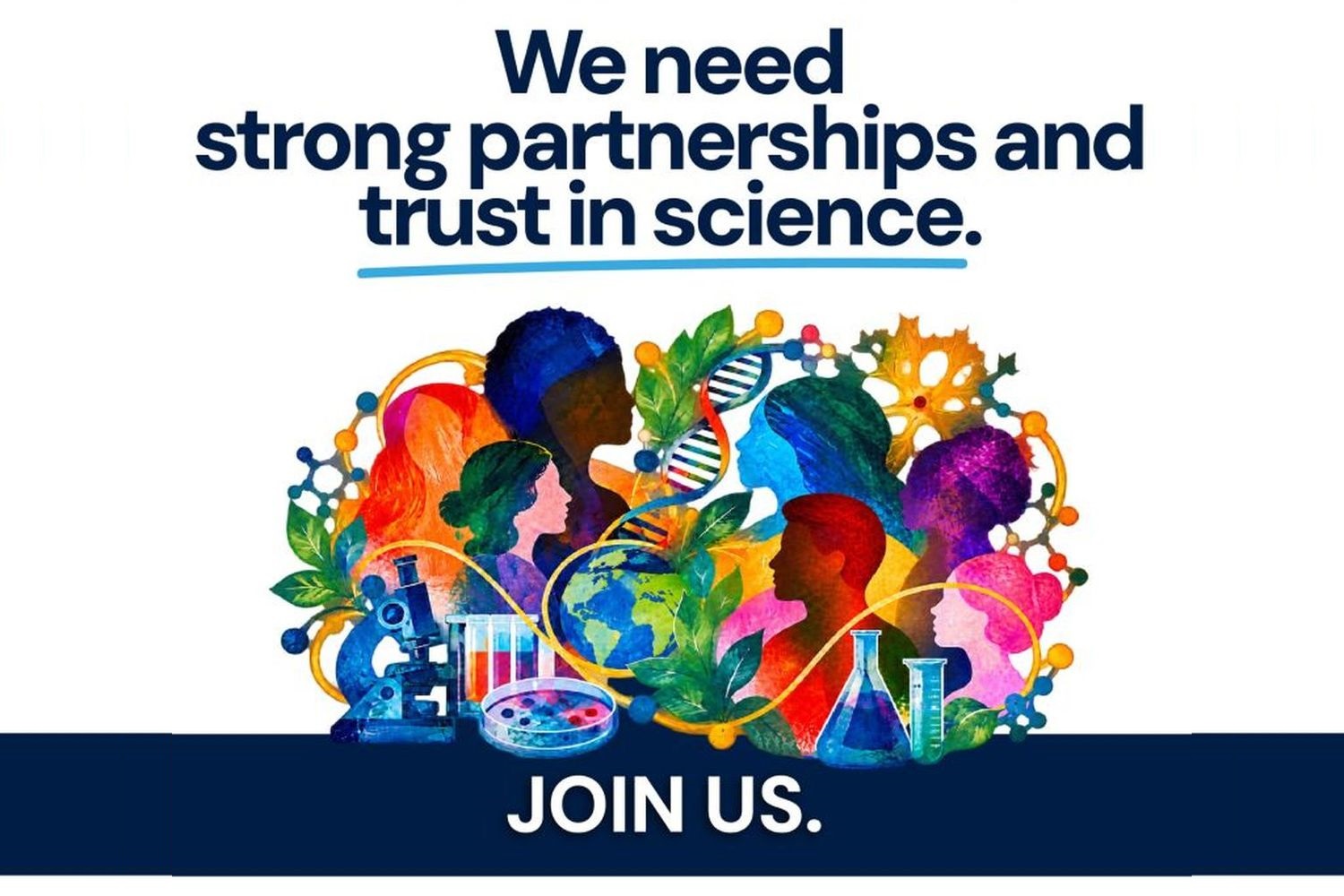
At the same time, policy-makers must navigate rapidly evolving evidence, competing priorities and increasingly complex information environments. They must balance scientific evidence with social, economic and political considerations while responding to growing health needs, changing disease burdens and public expectations. The increasing volume of data, rapid advances in artificial intelligence, and the spread of misinformation and disinformation further complicate how evidence is generated, assessed and used. These challenges call for renewed engagement and dialogue among scientists, policy-makers and society. Citizens and civil society also need opportunities to help shape research priorities and contribute to the generation, interpretation and use of knowledge. Integrating diverse perspectives and lived experiences can make science more responsive to societal needs and strengthen its translation into policy and practice.

In this context, WHO is launching Together for Science & Health, a global movement bringing together scientists, policy-makers, health professionals, communicators, civil society organizations, young people and communities around a shared commitment to science as a foundation for better health. Inspired by the HIV red ribbon as a visible symbol of solidarity around a common cause, the movement seeks to build visibility, engagement and collective action around the role of science in advancing health and well-being for all. Through three interconnected areas of collaboration, science-policy, science-society and science-communication, it will foster exchange, strengthen dialogue and better connect scientific knowledge with policy-making and societal needs.

WHO will launch the movement globally on 10 November 2026, coinciding with World Science Day for Peace and Development. A launch event will be held on the opening day of the Geneva Health Forum (10–12 November 2026) at Campus Biotech in Geneva. Building on the Forum’s convening power and Geneva’s rich science, health and innovation ecosystem, the event will explore how closer connections between science, policy and society can improve health outcomes and decision-making.

Objectives

The event will build momentum for Together for Science & Health by examining how scientific evidence can better inform public policy and how participatory approaches can bring science, policy and society closer together. It will formally introduce the movement to the Geneva Health Forum community and invite partners across sectors, countries and regions to join. Its conclusions could also inform longer-term collaboration through the Geneva Health Forum, including on participatory science.

The event would advance complementary objectives to strengthen the science-policy interface:

  • Explore how scientific evidence can be made more accessible, relevant and actionable for policy-makers, and more systematically integrated into health policy and decision-making;
  • Examine how participatory approaches can bring citizens and civil society into the production, interpretation and use of evidence, helping shape research priorities and policy responses.

Welcome Address and Keynotes

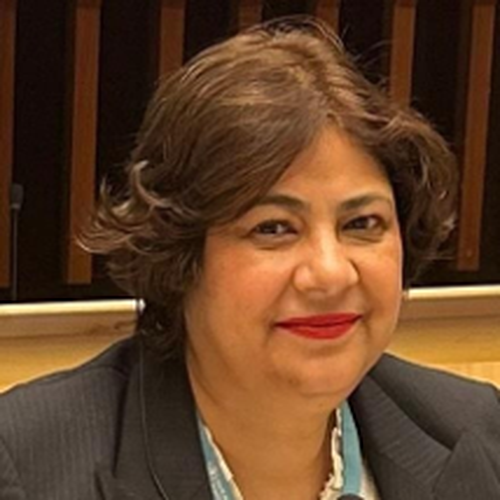
Razia PENDSE
Chief of Staff
World Health Organization
Switzerland
Erika PLACELLA
Head of the Health and Food Section
Swiss Agency for Development and Cooperation
Switzerland

High-level Panel

Antoine GEISSBUHLER
Dean
Faculty of medicine, University of Geneva
Switzerland
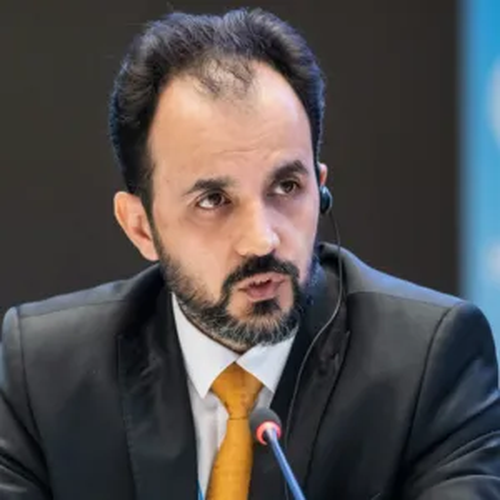
Wahid MAJROOH
Executive Director
Afghanistan Center for Health and Peace Studies
Switzerland

Workshops

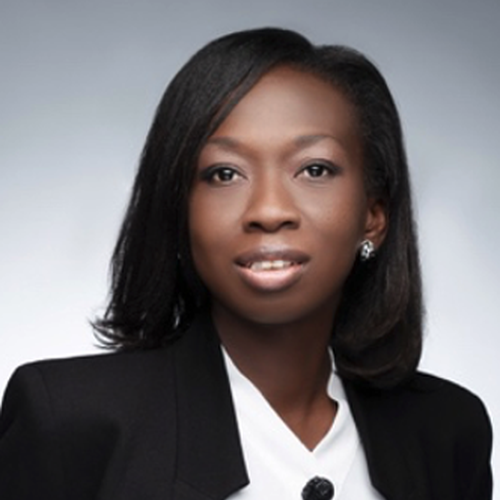
Awa BABINGTON- ASHAYE
Senior Digital Health Advisor
Geneva Digital Health Hub
Switzerland
Supriyaa BEZBARUAH
Team Lead, Science and Knowledge Translation
World Health Organization
Switzerland
Philippe CHAMARET
Director
Eco-Citizen Institute for Knowledge on Pollution
France
Alanna GALATI
Scientist- SRHR Policy
World Health Organization
Switzerland
Sophie GUMY
Technical Officer, Climate Change, Air Quality and Health Unit
World Health Organization
Switzerland
Monika KOSINSKA
Head, Economic and Commercial Determinants of Health
World Health Organization
Switzerland
Aku KWAMIE
Senior Scientist, Alliance for Health Policy and Systems Research
World Health Organization
Switzerland
Caroline PERRIN
Director
Geneva Digital Health Hub
Switzerland
Bernard RACHET
Professor of cancer epidemiology
London School of Hygiene & Tropical Medicine 
United Kingdom
Nathalie ROEBBEL
Head, Urban Health Unit
World Health Organization
Switzerland
Elisa SCOLARO
External Relations Officer, Parliamentary Affairs, Department of Partnerships and Financing
World Health Organization
Switzerland
Amirhossein TAKIAN
Senior Scientist, Alliance for Health Policy and Systems Research
World Health Organization
Switzerland

Immersive Anticipatory Lab

Louise AGERSNAP
Louise AGERSNAP
Innovation Lead
World Health Organization
Switzerland
Marianne SCHÖRLING
Marianne SCHÖRLING
Product and Anticipation Experience Lead
Geneva Science and Diplomacy Anticipator (GESDA)
Switzerland
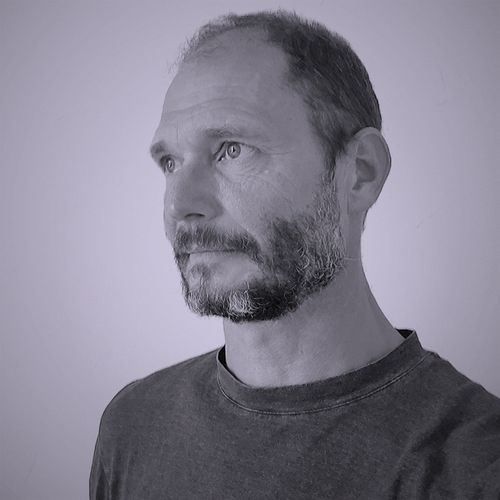
Jörn ERBGUTH
Jörn ERBGUTH
President
Geneva Macro Labs
Switzerland

Agenda


13.30

Welcome Address

  • Razia Pendse, Chef de Cabinet, World Health Organization
13.40

Keynote speakers

  • Erika Placella, Head of the Global Programme Health, Swiss Agency for Development and Cooperation
13.50

High-level panel

  • Antoine GEISSBUHLER, Dean, Faculty of medicine, University of Geneva
  • Anne-Claire Amprou, Ambassador for Global Health, France
  • Wahid MAJROOH, CEO, Afghanistan Center for Health and Peace Studies
14.30Coffee break and networking

14:45

Immersive Anticipatory Lab

Anticipating the Future of Neurotechnology

Step into a plausible future in which brain–computer interfaces have transformed healthcare and society – and explore together, in seven science diplomacy lenses, what the international community should decide today.

  • Louise AGERSNAP, World Health Organization
  • Marianne SCHÖRLING, Geneva Science and Diplomacy Anticipator (GESDA)
  • Jörn ERBGUTH, Geneva Macro Labs
  • Emmanuelle TUERLINGS, World Health Organization
WHO / EurêkaGESDAGlobal Health Security FundGeneva Macro Labs / ge-ni

15.15

Interactive workshops

  • Workshop 1: From evidence to decisions: translating science for policy action
    • Alanna GALATI, World Health Organization*
    • Elisa Scolaro, World Health Organization*


  • Workshop 2: Strengthening health systems through evidence-informed policy
    • Aku KWAMIE, World Health Organization*
    • Amirhossein TAKAIN, World Health Organization*


  • Workshop 3: Digitalization and AI: opportunities for evidence-informed policy and public health
    • Caroline PERRINGeneva Digital Health Hub*
    • Awa BABINGTON-ASHAYR, Geneva Digital Health Hub*


  • Workshop 4: Citizen-generated knowledge for science and public health
    • Nathalie ROEBBEL, World Health Organization*
    • Philippe CHAMARET, Institut Ecocitoyen pour la Connaissance des Pollutions*
    • Sophie GUMY, World Health Organization*


  • Workshop 5: Social listening and citizen participation across the policy cycle
    • Monika KOSINSKA, World Health Organization*
    • Bernard RACHET, London School of Hygiene and Tropical Medicine*
    • Supriyaa BEZBARUAH, World Health Organization*
16.45Plenary reporting back and closing
17.15Networking reception and light refreshments

Masters of ceremony:

  • Tunga Namjilsuren, Unit Head, Health Communications and Advocacy, WHO &
  • Nada Osseiran, Senior Communications Specialist, WHO


* Co-facilitator of the worshops

Registration is mandatory to obtain an entry badge for Campus Biotech.


You can register either for all GHF conference events (paid registration) or solely for this session (free registration).

Organizers

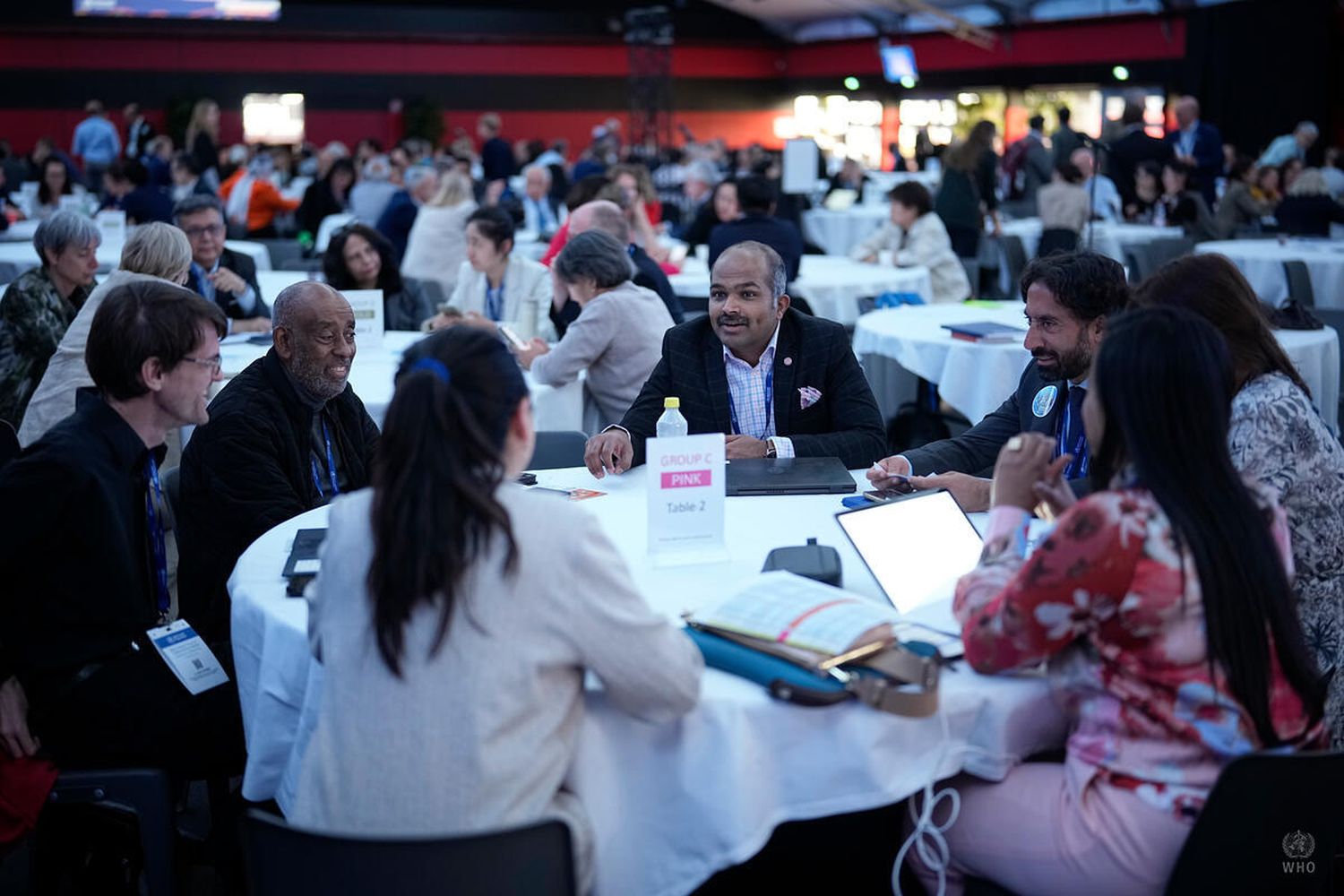
Photo credit : World Health Organization

Event

Strengthening evidence-informed and participatory policy-making for better health